About Shankara Bharathi Goshala

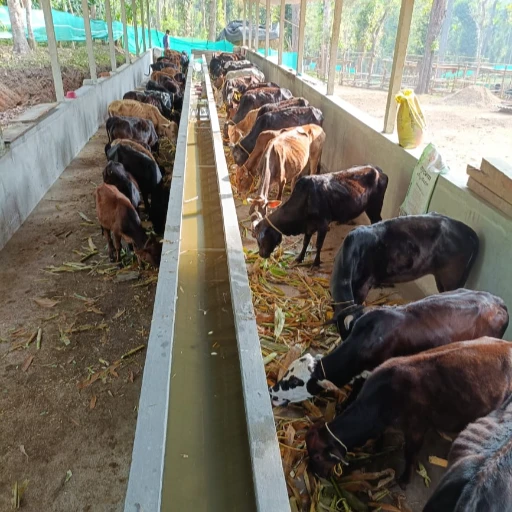
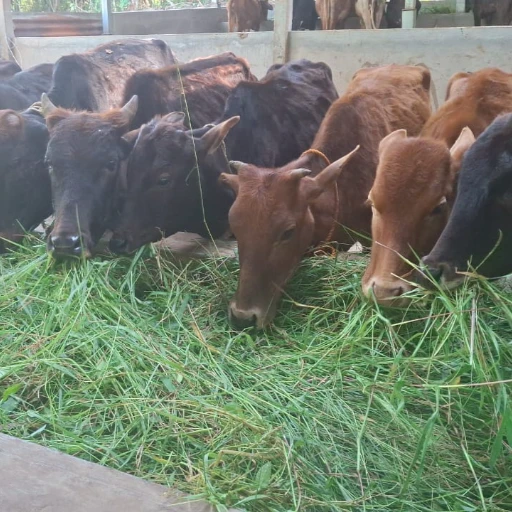
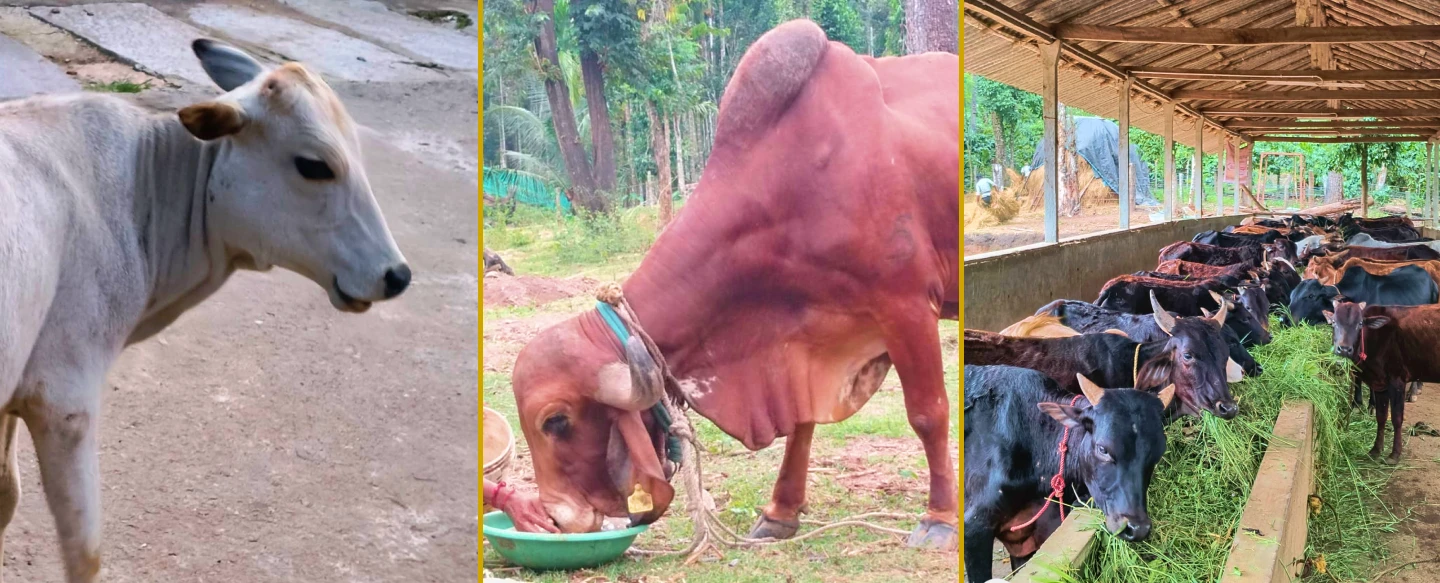
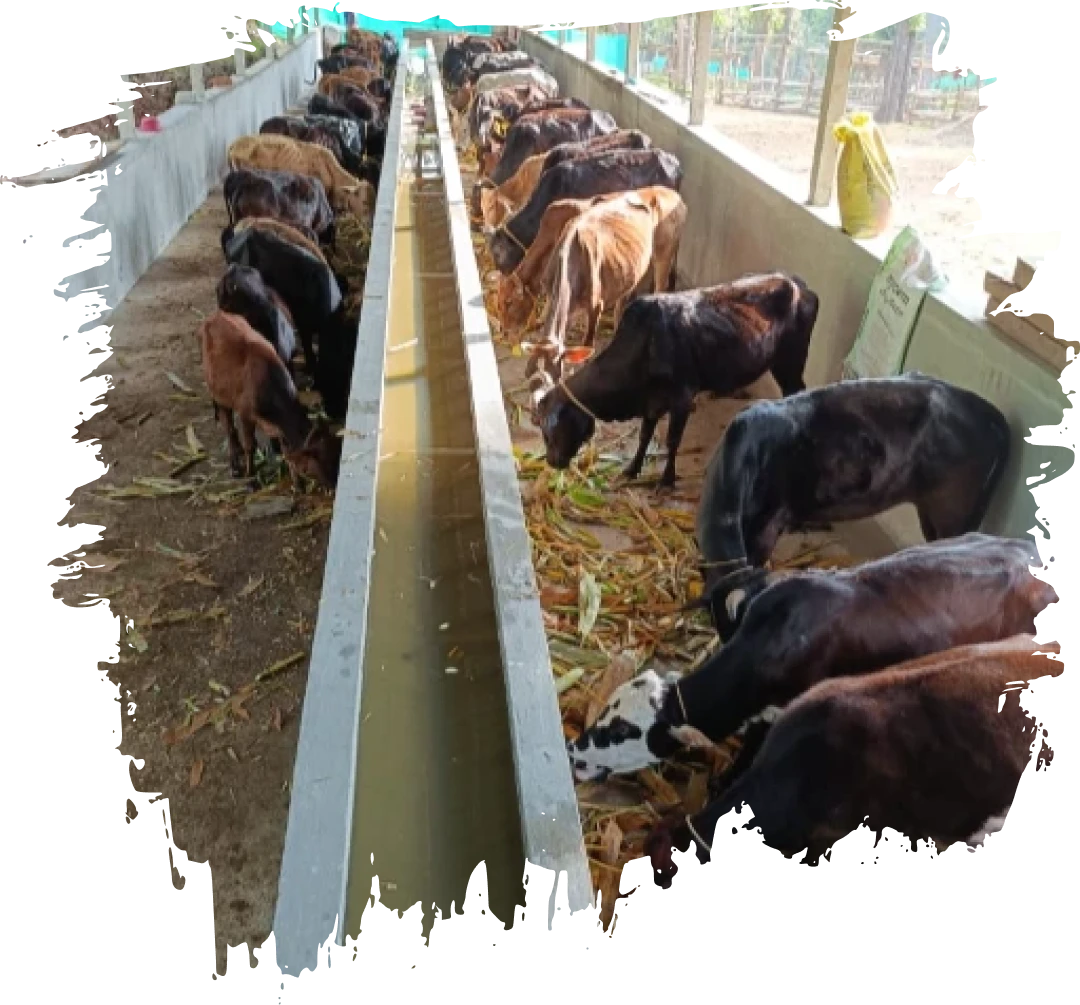
With the divine blessings of Sri Sri Jagadguru Shankaracharya Sri Sri Bharathi Theertha Mahaswamiji – our Goushala, located in Huigere, Chikkamagaluru, currently nurtures and cares for over 250 indigenous cows.
The primary mission of our trust is to safeguard and preserve indigenous (Desi) cow breeds while spreading awareness about their cultural, ecological, and national importance.
Why Should We Save Desi Cows?
Desi cows have been an inseparable part of Indian life, culture, and tradition for thousands of years. These indigenous cows have supported human society in multiple ways – helping farmers plough fields, transporting goods, and providing nutritious milk. In addition, their dung and urine have traditionally been used for various practical and ecological purposes in daily life.
Desi cows are also valued in traditional Indian practices for their nutrient-rich milk and the use of cow products such as gomutra (cow urine) and dung in Ayurveda and rural applications. These practices are rooted in cultural traditions and are studied in some areas of ethnoveterinary and traditional medicine for their potential ecological and health-related significance.
Beyond their utility, the Desi cow is regarded with deep reverence in Indian culture, often treated as a member of the family and honored with the sacred status of “Gau Mata.” Indian history and mythology also reflect the importance of cows.
The Desi cow thus represents sustainability, heritage, and the harmonious relationship between humans and nature. Preserving indigenous breeds is not only a cultural responsibility but also an ecological necessity for future generations.
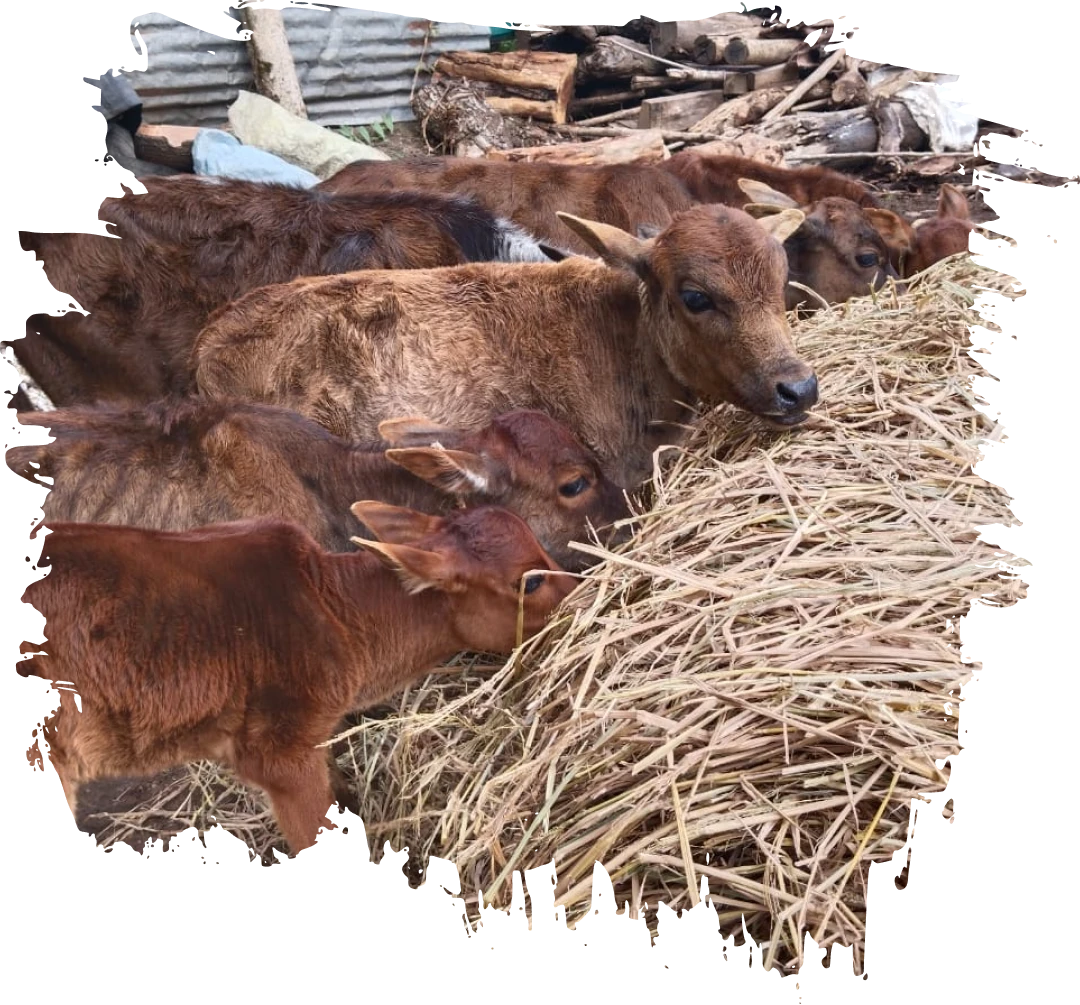
Photos of Goshala